Why renewables shouldn’t be dismissed in nuclear discussion
I am not anti-nuclear and recognize that nuclear energy can play an impactful role in the generation mix, particularly when its use is defined within the context of overall system outcomes. My concern lies not with nuclear power itself, but with arguments presented that elevate its value over renewable energy based on a single criterion: dispatchable, firm generation.
In an era of rising electricity demand, increasing climate-driven extremes, and heightened reliability concerns, this framing is understandably appealing. Reliability matters. However, reducing the energy-planning question to dispatchability alone fundamentally misrepresents how modern electric systems operate and how reliability can be achieved most cost-effectively. It narrows the problem to a single attribute of generation while overlooking the broader set of tools and strategies that actually determine system performance.
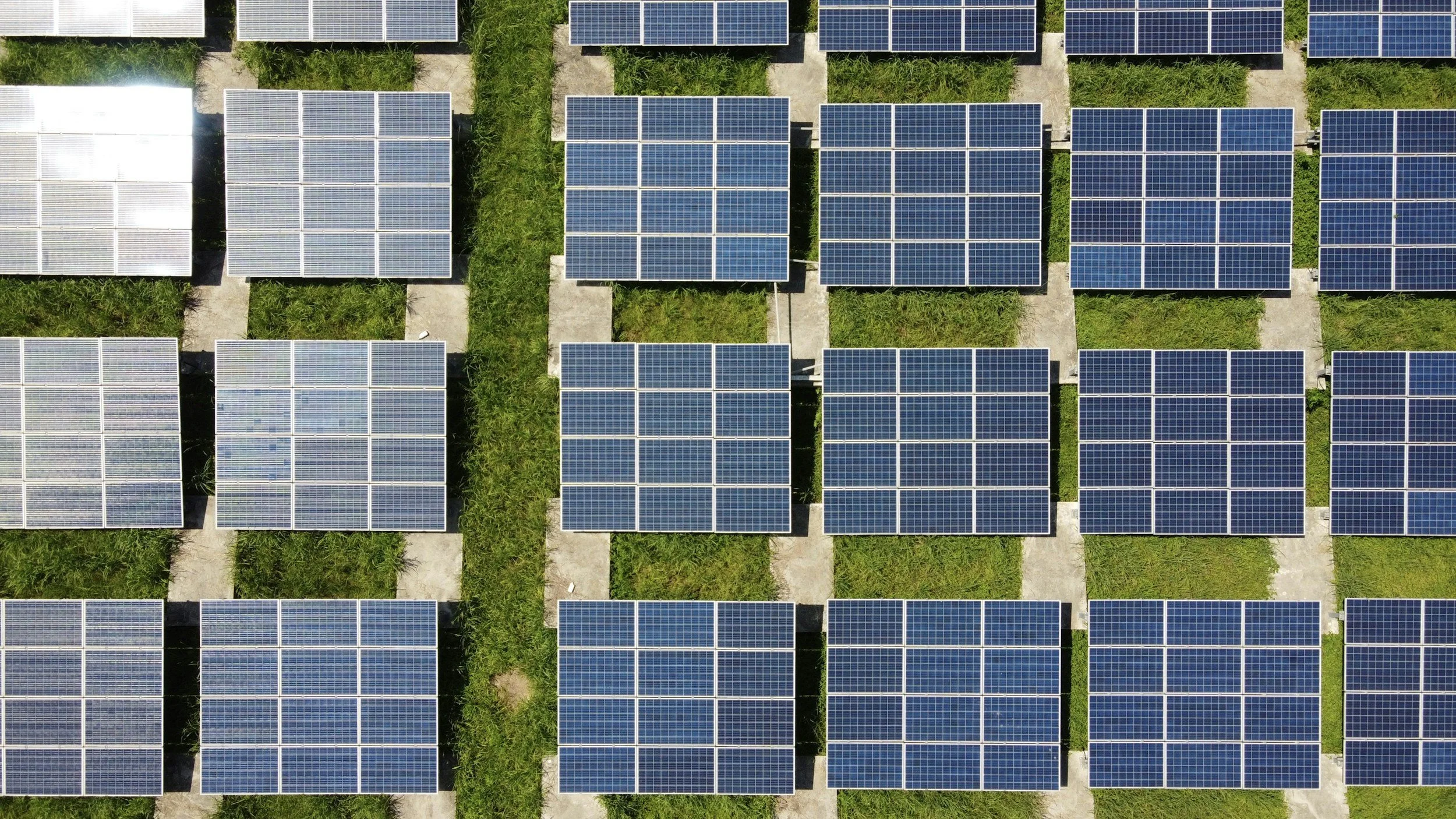
Dispatchability is not an inherent property of any single technology; it is a system-level outcome. Electric grids function through the coordinated interaction of generation, transmission, distribution, demand, and control systems. When reliability is defined solely by the presence of large, centralized power plants, it obscures the importance of flexibility, location, and response speed. It also favors capital-intensive assets that take decades to deploy and concentrate financial, operational, and outage risks. This framing conflates reliability, resilience, and resource adequacy, while ignoring alternatives that already deliver these services at lower cost and with greater adaptability.
Renewable curtailment is frequently cited as evidence that wind and solar are inherently unreliable. In reality, curtailment is better understood as a signal of planning, market, and infrastructure misalignment rather than a failure of renewable resources themselves. It reflects transmission bottlenecks, inflexible baseload generation, and insufficient mechanisms to align supply with local demand. When addressed systematically, curtailed energy can be absorbed through distributed storage, managed electric-vehicle charging, thermal energy systems, and flexible industrial loads – transforming excess generation into a reliability asset rather than a liability.
Distributed Energy Resources (DERs) further challenge the assumption that reliability must come from centralized plants. While individually small, aggregated DERs—such as solar, batteries, smart buildings, and electric vehicles—provide fast, precise, and locationally targeted grid services when coordinated through virtual power plants. These systems respond in milliseconds, reduce congestion where it actually occurs, and avoid the single-point-of-failure risks associated with large generation facilities. In this model, dispatchability is distributed across the grid, increasing resilience while lowering system-wide risk.
Arguments centered on dispatchable, firm generation also tend to overlook the value of grid-enhancing technologies. Today’s reliability constraints are increasingly driven by transmission limitations rather than a lack of generation. Tools such as dynamic line ratings and advanced power-flow controls can unlock substantial additional capacity from existing infrastructure at a fraction of the cost and time required to build new power plants. Ignoring these options biases planning toward unnecessary and expensive generation investments.
Reliability failures overwhelmingly occur on the distribution system, not at the level of bulk generation. Centralized plants do little to prevent outages caused by aging feeders, substations, or local storm damage. In contrast, targeted distribution upgrades, local storage, and microgrids directly improve reliability where customers experience it, delivering greater benefits per dollar invested.
Finally, demand management remains one of the most underutilized reliability resources. Modern demand response is automated, predictable, and scalable. By reducing peak demand, it permanently lowers system costs and avoids the need for generation assets that operate only a few hours per year. Economically, flexible demand functions as perfectly dispatchable negative generation, with no fuel costs, emissions, or long-term capital risk.
Dispatchability is not owned by any single technology; it emerges from thoughtful system design. A grid that integrates renewables, demand flexibility, distributed resources, and advanced grid technologies can deliver reliability more affordably, resiliently, and quickly than one built around a narrow definition of firm generation