SB 34: Data Centers, Rising Demand, and Our Duty to Creation
Georgia is in the middle of a quiet but profound transformation. Across the state, massive data centers are rising from former farmland and industrial corridors. These facilities power cloud storage, video streaming, cryptocurrency operations, and increasingly, artificial intelligence. And they are also becoming one of the largest new drivers of electricity demand in Georgia.
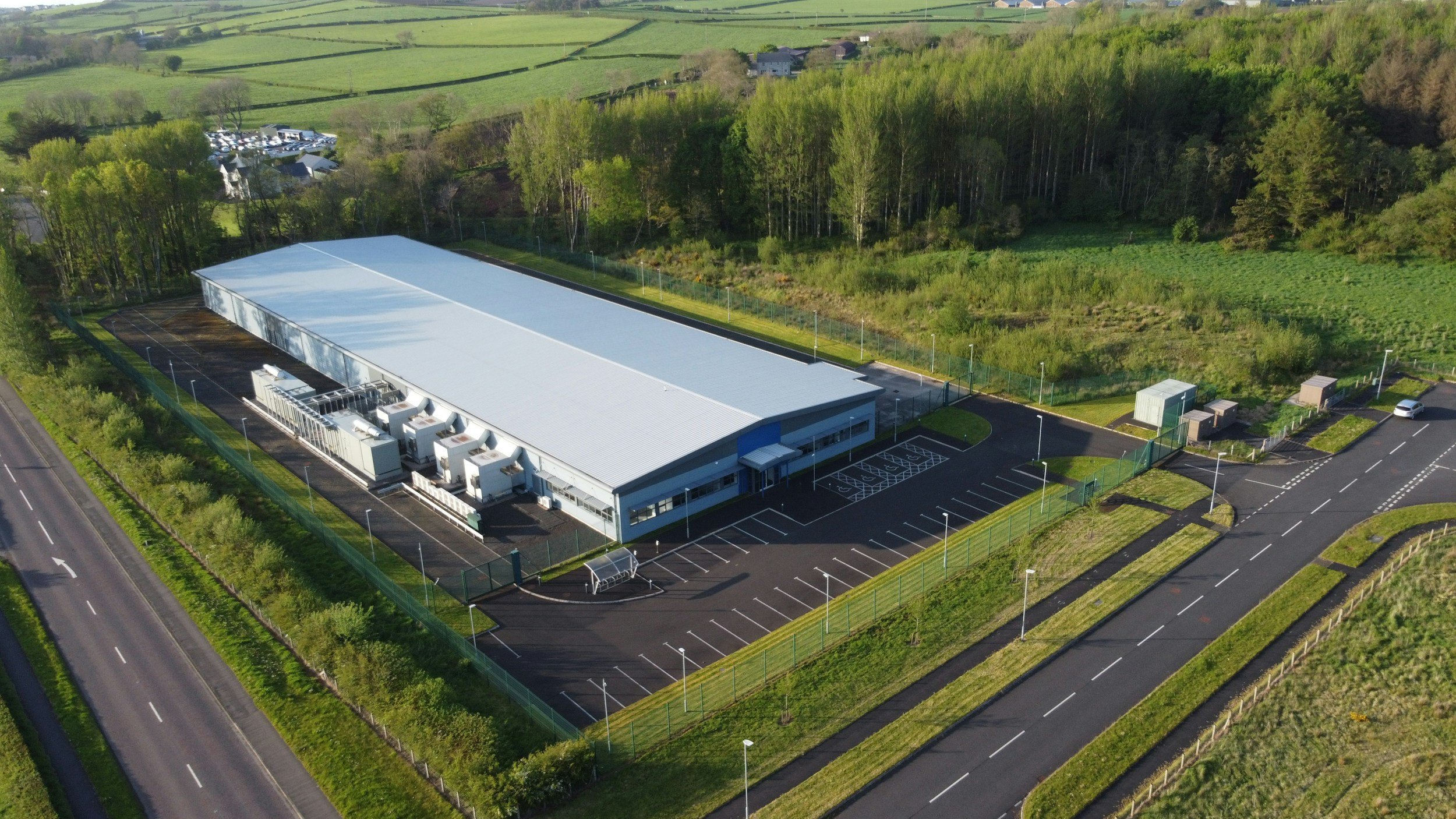
The rapid expansion has sparked a rare moment of bipartisan concern in the General Assembly. Lawmakers are debating a range of bills addressing data centers, including moratorium proposals, regulatory reforms, and changes to tax incentives. Among them is Senate Bill 34 (SB 34), which focuses on a deceptively simple but consequential question: who pays for the electricity infrastructure required to serve these facilities?
Data centers consume enormous amounts of power. A single facility can require as much electricity as tens of thousands of homes. Utilities must often construct new substations, expand transmission lines, and in some cases add new generation capacity to meet this demand. Those upgrades can cost billions of dollars and lock in energy infrastructure for decades.
Under current regulatory structures, some of these costs may be spread out across ratepayers. Families and small businesses could see higher monthly bills tied to infrastructure built primarily to serve large corporate facilities. SB 34 seeks to prevent that outcome. The bill would require data centers to cover the construction, transmission, and distribution costs directly associated with their demand. This approach reflects a “growth pays for growth” model that protects residential customers from subsidizing corporate expansion.
The stakes extend beyond electricity bills. Georgia has aggressively courted data center development with generous sales tax exemptions that now total billions of dollars. Advocates argue that these facilities generate construction jobs, technical employment, and local tax revenue. Some cities have welcomed them as a way to diversify their tax base.
The economic picture, however, is more complicated than promotional materials often suggest. Data centers are capital-intensive but not labor-intensive. After construction ends, permanent job numbers are typically modest relative to the scale of investment and public incentives involved. Communities sometimes receive property tax revenue, but the long-term public return on extensive tax breaks remains debated. Lawmakers across the political spectrum have begun asking whether the benefits justify the scale of subsidies and infrastructure commitments.
Environmental and energy impacts make the debate even more urgent. Georgia’s electricity generation still relies heavily on natural gas and nuclear power, with renewables growing but not yet dominant. When data centers dramatically increase demand, utilities must meet that demand reliably at all hours. Intermittent renewable sources cannot always shoulder that load alone. In practice, rapid growth can increase reliance on fossil fuel generation or justify the construction of new gas plants that operate for decades. Each new plant represents a long-term carbon commitment at a time when climate scientists warn that emissions must decline sharply.
Water use presents another concern. Many data centers require significant water for cooling systems. In regions already experiencing growth pressures and periodic drought, additional industrial water demand raises difficult questions about long-term sustainability.
Artificial intelligence accelerates all of this. AI models require immense computing power, which translates directly into electricity consumption. Analysts project that energy use from data centers nationwide could double within just a few years. Georgia’s relatively low industrial electricity rates make the state especially attractive, which means energy demand here could rise even faster than national averages.
For Catholics, the conversation cannot remain confined to economics and regulatory language. In Laudato Si’, Pope Francis calls for an “integral ecology,” reminding us that environmental degradation and social inequity are deeply interconnected. The climate is described as a common good, belonging to all. Energy policy shapes air quality, carbon emissions, land use, and household finances. Decisions about who pays for infrastructure are moral decisions because they affect the vulnerable most acutely.
Rising utility bills weigh most heavily on low-income families. Long-term fossil fuel investments affect future generations who will inherit a warming climate. Expanding industrial water use touches rural communities whose livelihoods depend on stable ecosystems. Technological advancement is not inherently opposed to Catholic teaching, but it must be ordered toward human dignity and the common good.
A faithful response begins with awareness. Catholics are called to examine not only personal consumption but also the structures that shape collective life. Catholics have a duty in the public sphere to ask whether public incentives are aligned with the common good, whether infrastructure costs are allocated justly, and whether long-term environmental impacts are being honestly assessed.
Pope Francis writes that humanity is capable of choosing again what is good and making a new start. Care for creation is not an optional add-on to our faith. It is a reflection of gratitude for the gift of the world entrusted to us. As debates over SB 34 and related bills continue, Catholics in Georgia have an opportunity to advocate for policies that protect families, promote responsible innovation, and safeguard the integrity of God’s creation.