
Catholic Climate Covenant Releases Statement on Endangerment Finding
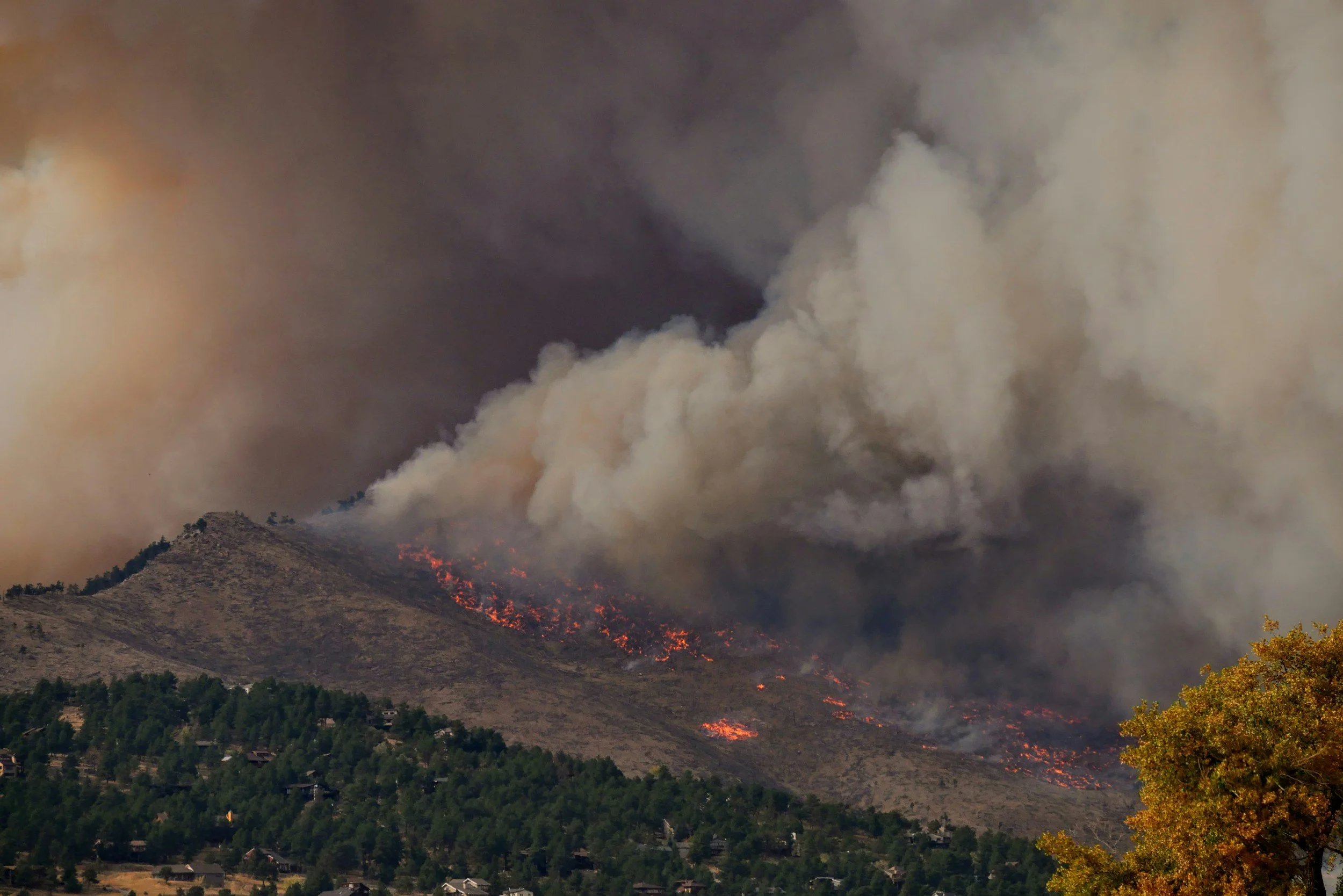
Image of the Callwood fire, Colorado. Image Credit: Malachi Brooks
Today, the Environmental Protection Agency formally rescinded the 2009 endangerment finding on greenhouse gases. This finding represented the EPA’s scientific and legal determination that carbon dioxide and other greenhouse gases endanger public health and welfare and has been the cornerstone of nearly every major U.S. climate policy for more than a decade. It provided the legal basis for emissions standards on vehicles, limits on industrial pollution, and other protections designed to slow climate change and safeguard human health.
Without this foundational finding, the federal government no longer has a clear mandate to enforce limits on emissions from cars, trucks, power plants, and industrial sources. Regulation retreats into uncertainty, and protections that took years to build can be rolled back. Critics warn this will accelerate pollution, heighten public health risks, and expose current and future generations to even greater harm.
The Catholic Climate Covenant and Laudato Si’ Movement responded to the repeal with alarm and disappointment. Their statement describes rescinding the endangerment finding as a retreat at precisely the moment when stronger action is needed, abandoning what had been one of the most important public health safeguards in modern environmental law. The statement also highlighted that removing the finding will increase pollution and uncertainty, exposing both vulnerable communities and future generations to elevated risks, and framed it as a moral issue for Catholics:
The inconvenience of regulation cannot justify the chaos and harm that follow its removal. For Catholics and all people of faith, this is not primarily a political issue. It is a moral one.
This critique comes as we acknowledge the threats of climate change today. Rising global temperatures increase the frequency and severity of heat waves, drought, and extreme storms. Human health consequences, including higher rates of heat-related illness, respiratory ailments from poor air quality, and intensified impacts on people with preexisting health conditions, are already documented realities. Scientific assessments agree that warming beyond critical thresholds could trigger destabilizing effects in Earth’s climate system.
Catholic teaching speaks directly to these concerns. Laudato Si’ calls on all people of faith to recognize that the cry of the earth and the cry of the poor are one: environmental degradation and human suffering are deeply intertwined. Removing a key legal tool for protecting air quality and limiting climate pollution undermines efforts to promote the common good and protect the most vulnerable.
Catholics are called to be co-creators with God and stewards of creation, not only in our personal choices but in the public structures that shape collective life. The repeal of the endangerment finding raises profound questions about whether our nation will continue to acknowledge the harm caused by unchecked emissions and act to protect human life and the environment.
